
aa 2024 construction building under sky

ARTICLE

Guidelines for Capital Improvements

Can My Landlord Charge Me for Capital Improvements?

No, landlords generally cannot charge tenants directly for capital improvements. Capital improvements—such as a new roof, heating system, or extensive renovations—are investments that landlords make to enhance the property’s value. Tenants benefit from the improved living conditions but are not required to cover these costs directly unless specified in the lease. However, landlords might increase rent following an improvement in some regulated markets, such as rent-controlled areas.
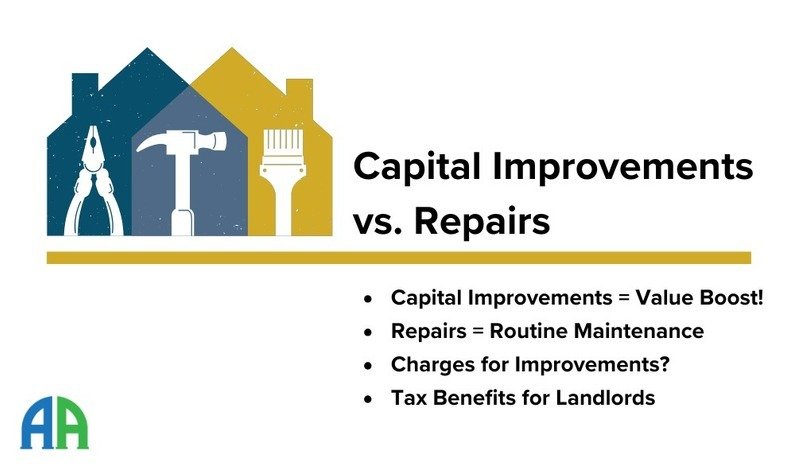
Capital Improvements vs. Repairs
A common source of confusion is the distinction between repairs and capital improvements. No, tenants are not responsible for paying for repairs, as landlords must maintain the property in a livable condition. Repairs, such as fixing a leaky faucet or replacing a broken window, are different from capital improvements, which add long-term value. Yes, rent increases are possible after capital improvements, but only in specific cases where landlords seek to recoup costs.

Can My Landlord Raise My Rent After Capital Improvements?
In areas without rent control, Yes, landlords may increase rent after making improvements, especially when leases are renewed. The cost of major upgrades can indirectly affect tenants through rent adjustments, which are justified by the landlord’s increased investment in the property. Some local regulations also allow rent increases for capital improvements under specific conditions, such as filing a Major Capital Improvement (MCI) in New York, where approval from housing authorities is required before increasing rent.

Understanding Capital Improvement Benefits for Landlords
Capital improvements can significantly enhance a property’s value and appeal to future tenants. For landlords, these improvements are also tax-deductible, allowing them to recover some of the costs over time. Depreciation rules under IRS guidelines enable landlords to spread out the deduction of capital improvements over the property’s useful life.

Can I Deduct Capital Improvements on Rental Property?
Yes, landlords can deduct the cost of capital improvements through depreciation. The IRS requires landlords to depreciate major upgrades over time, typically over 27.5 years for residential rental properties. For instance, the installation of a new heating system must be depreciated, rather than deducted in full in the year the expense was incurred.

IRS Guidelines for Capital Improvements
The IRS distinguishes between repairs and capital improvements, and only capital improvements can be depreciated over time. According to the IRS, a capital improvement must either add value, extend the property’s life, or adapt it to a new use. Examples include:
• Replacing the entire roofing system
• Installing new plumbing or electrical wiring
• Expanding the square footage of the building

Routine maintenance, such as repainting or fixing broken appliances, does not qualify as a capital improvement and can be deducted in the same year it was incurred.

The Impact of Capital Improvements on Tenants
While tenants usually aren’t directly charged for capital improvements, they may experience rent increases after these upgrades, particularly in areas where landlords are permitted to recover improvement costs. Local laws may provide tenants with protection or notification requirements before these increases take effect, so it’s important to know your rights.

Conclusion
Understanding your rights concerning capital improvements is crucial to avoid unexpected charges as a tenant. While you cannot be directly charged for these upgrades, it’s essential to recognize that rent increases may occur, particularly in non-regulated markets. On the other hand, landlords can take advantage of tax deductions to offset the costs of significant property enhancements. Familiarize yourself with local laws and lease terms to ensure clarity regarding potential changes following your landlord’s improvements.

For further insights into accounting practices related to capital improvements, you can visit Applied Accountancy.


Subscribe to Applied Accountancy's Insights to get the latest news, analysis and compliance updates delivered directly to your inbox.

The information provided here is intended for informational purposes only and does not substitute for professional advice. Please refer to the terms of service for website usage.

Popular

Ready to Begin?

Can My Landlord Charge Me for Capital Improvements?

No, landlords generally cannot charge tenants directly for capital improvements. Capital improvements—such as a new roof, heating system, or extensive renovations—are investments that landlords make to enhance the property’s value. Tenants benefit from the improved living conditions but are not required to cover these costs directly unless specified in the lease. However, landlords might increase rent following an improvement in some regulated markets, such as rent-controlled areas.

Capital Improvements vs. Repairs
A common source of confusion is the distinction between repairs and capital improvements. No, tenants are not responsible for paying for repairs, as landlords must maintain the property in a livable condition. Repairs, such as fixing a leaky faucet or replacing a broken window, are different from capital improvements, which add long-term value. Yes, rent increases are possible after capital improvements, but only in specific cases where landlords seek to recoup costs.

Can My Landlord Raise My Rent After Capital Improvements?
In areas without rent control, Yes, landlords may increase rent after making improvements, especially when leases are renewed. The cost of major upgrades can indirectly affect tenants through rent adjustments, which are justified by the landlord’s increased investment in the property. Some local regulations also allow rent increases for capital improvements under specific conditions, such as filing a Major Capital Improvement (MCI) in New York, where approval from housing authorities is required before increasing rent.

Understanding Capital Improvement Benefits for Landlords
Capital improvements can significantly enhance a property’s value and appeal to future tenants. For landlords, these improvements are also tax-deductible, allowing them to recover some of the costs over time. Depreciation rules under IRS guidelines enable landlords to spread out the deduction of capital improvements over the property’s useful life.

Can I Deduct Capital Improvements on Rental Property?
Yes, landlords can deduct the cost of capital improvements through depreciation. The IRS requires landlords to depreciate major upgrades over time, typically over 27.5 years for residential rental properties. For instance, the installation of a new heating system must be depreciated, rather than deducted in full in the year the expense was incurred.

IRS Guidelines for Capital Improvements
The IRS distinguishes between repairs and capital improvements, and only capital improvements can be depreciated over time. According to the IRS, a capital improvement must either add value, extend the property’s life, or adapt it to a new use. Examples include:
• Replacing the entire roofing system
• Installing new plumbing or electrical wiring
• Expanding the square footage of the building

Routine maintenance, such as repainting or fixing broken appliances, does not qualify as a capital improvement and can be deducted in the same year it was incurred.

The Impact of Capital Improvements on Tenants
While tenants usually aren’t directly charged for capital improvements, they may experience rent increases after these upgrades, particularly in areas where landlords are permitted to recover improvement costs. Local laws may provide tenants with protection or notification requirements before these increases take effect, so it’s important to know your rights.

Conclusion
Understanding your rights concerning capital improvements is crucial to avoid unexpected charges as a tenant. While you cannot be directly charged for these upgrades, it’s essential to recognize that rent increases may occur, particularly in non-regulated markets. On the other hand, landlords can take advantage of tax deductions to offset the costs of significant property enhancements. Familiarize yourself with local laws and lease terms to ensure clarity regarding potential changes following your landlord’s improvements.

For further insights into accounting practices related to capital improvements, you can visit Applied Accountancy.

Subscribe to Applied Accountancy’s Insights Newsletter to get the latest news, analysis and compliance updates delivered directly to your inbox.

ARTICLE

Guidelines for Capital Improvements

related insights

Also of Interest:     Services   Industries    Resources